
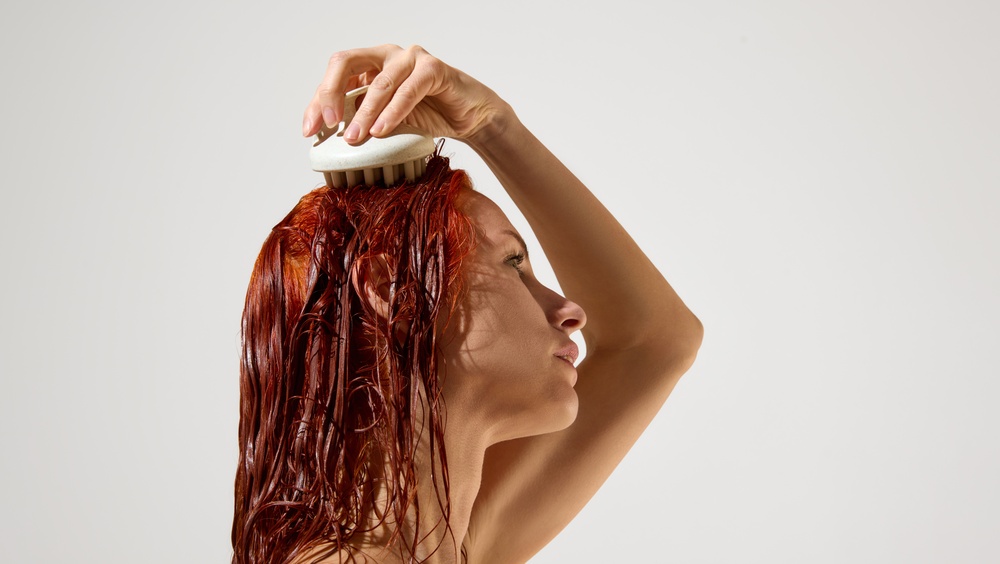
Your scalp just found out it’s skin. It’s having a moment about it.
For years, we treated our scalp like the awkward middle child of our beauty routine — shampoo, maybe a squirt of conditioner, done. Meanwhile, our face got serums, exfoliants, and a nine-step evening ritual. Fair? Not really. Your scalp has pores, oil glands, and a barrier just like your face does. It just never got the memo that it deserved the same attention.
Enter Korean scalp care, the latest export from the country that gave us glass skin, snail mucin, and the emotional rollercoaster of a good sheet mask. The premise is simple: treat your scalp like facial skin, not like a mystery zone under your hair. And honestly? It’s about time — we’ve been chasing shiny, healthy strands for years without giving much thought to what’s happening underneath them.
Here’s what’s actually worth borrowing from the trend…
Why Everyone’s Suddenly Obsessed With Korean Scalp Care
Search interest in scalp health has quietly tripled over the past two years, and Korean beauty brands are the ones leading the charge with toners, essences, and “ampoules” made specifically for the space between your part lines. The logic borrowed from K-beauty skincare is almost embarrassingly obvious once you hear it: a flaky, oily, or irritated scalp is a lot like flaky, oily, or irritated facial skin. Same rules. Different real estate.
This is also why the trend is spreading so fast on TikTok — it doesn’t ask you to buy into anything new. It just asks you to apply what you already know about good skincare to a part of your body you’ve been ignoring since middle school.
Steal This: A Cleanse That Isn’t Just “Lather, Rinse, Repeat”
Korean scalp routines treat cleansing as its own event, not an afterthought before conditioner. Think low-lather, pH-balanced scalp shampoos designed to clear buildup without stripping the skin bare — the same “gentle but thorough” philosophy behind double cleansing your face.
Try this: Once or twice a month, use a clarifying scalp shampoo before your regular one. Focus on massaging the scalp itself, not just running product through your lengths.
Steal This: Scalp Exfoliation Is a Real Category Now
If your face gets a scrub, your scalp probably needs one too — dead skin cells and product buildup pile up at the roots exactly like they do everywhere else. Korean brands have leaned hard into scalp scrubs, peeling toners, and exfoliating tonics that dissolve flakes instead of physically scraping them off.
Try this: A gentle chemical exfoliant (think mild AHA or BHA formulas made for scalp use) once every 1–2 weeks. Skip it if your scalp feels tight, tender, or reactive that week — same rule as facial exfoliation.
Steal This: Serums, But Make It Scalp
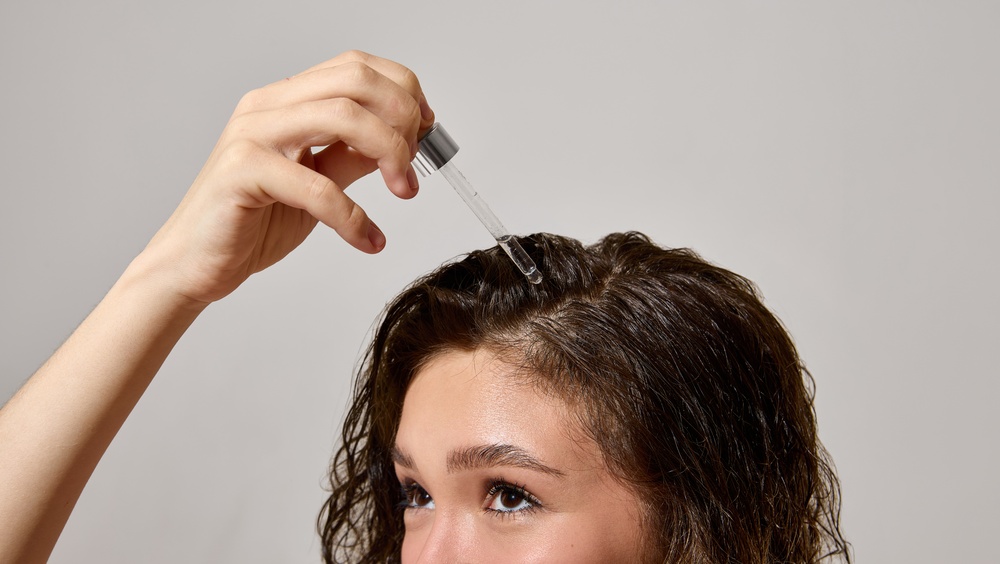
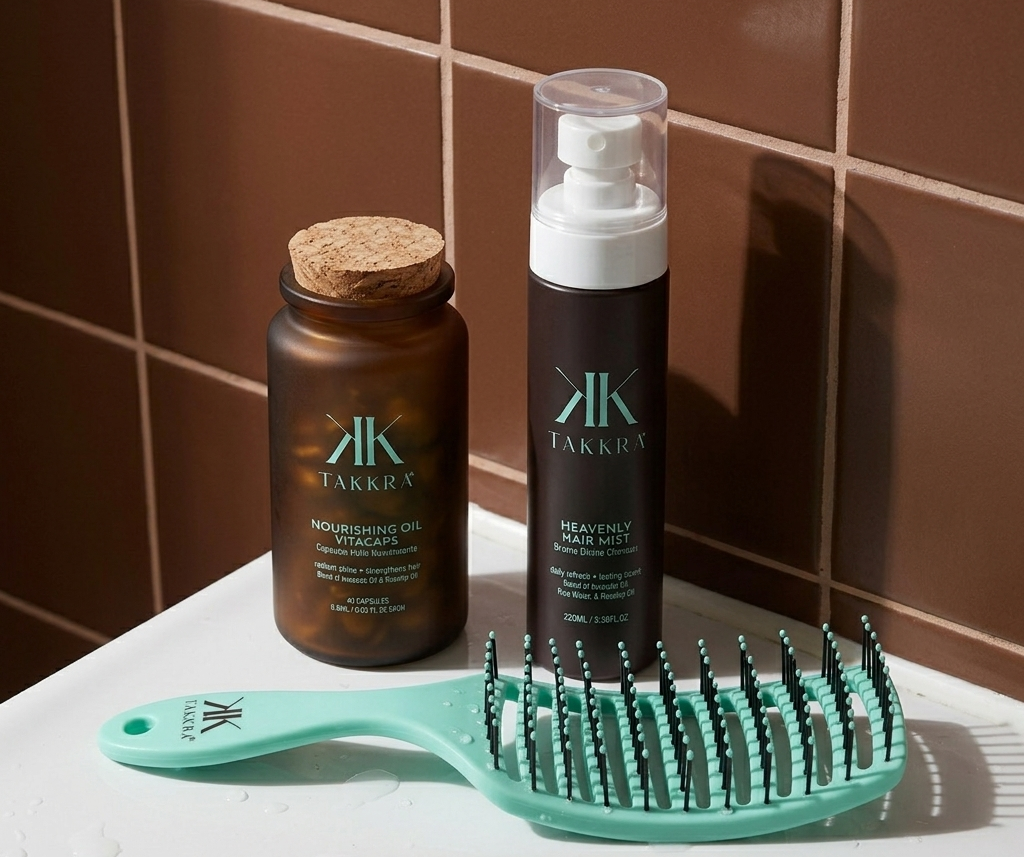
This is the part that sounds the most extra and is actually the most logical. Korean scalp care includes lightweight essences and ampoules applied directly to the scalp with dropper tips, meant to soothe, hydrate, and balance — the exact same slow-release, ingredient-forward approach we found genuinely worth the hype in a longevity-focused face serum a few months back.
Try this: Apply a scalp essence to towel-dried hair, section by section, focusing on wherever you tend to run dry or oily. Less is more — a few drops go a long way.
Steal This: Heat Protection Starts at the Root
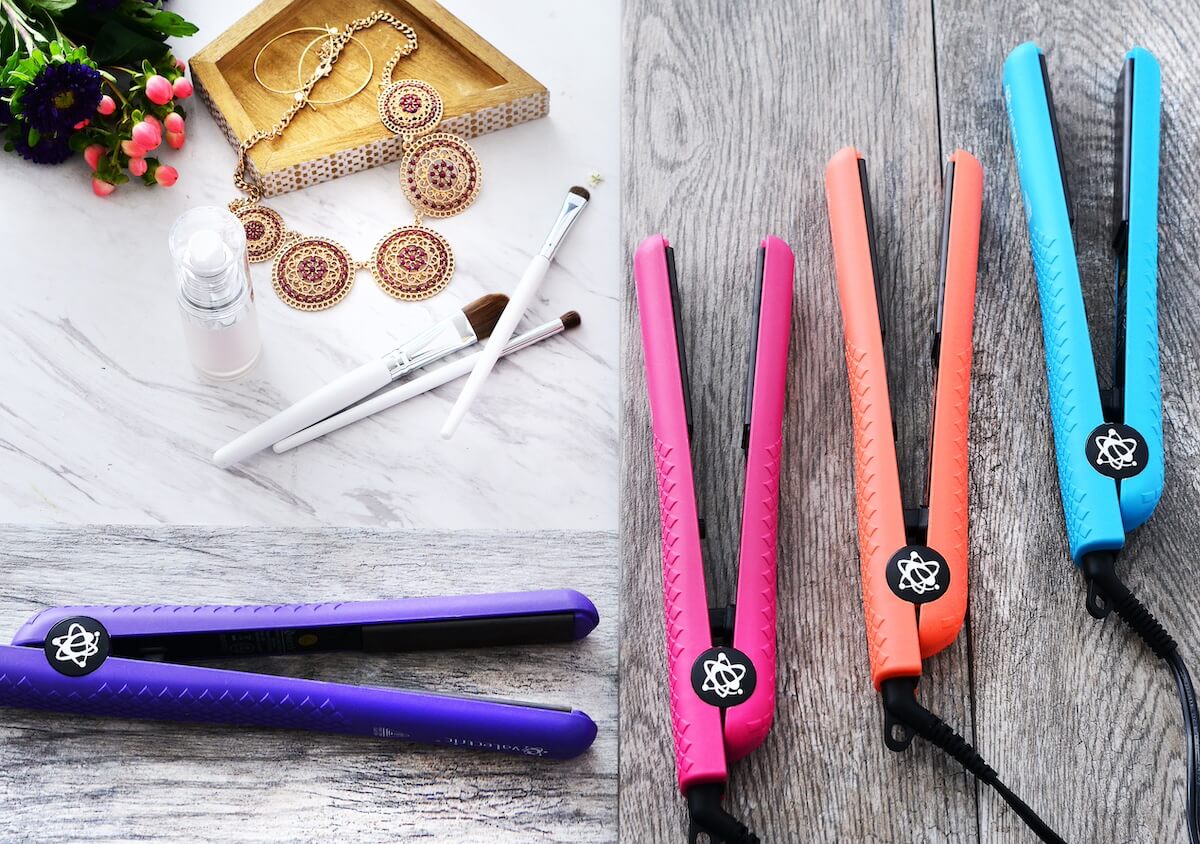
We talk a lot about protecting hair strands from heat, but the scalp takes damage too, especially at the part line where a flat iron or blow dryer sits closest to skin. Korean scalp care routines put real emphasis on cooling the scalp down after heat styling and choosing lower settings near the roots — something we picked up firsthand during a week of testing a set of luxury hair tools, and it’s stuck ever since.
Try this: Keep dryers and irons angled away from your part, use the lowest effective heat setting, and finish with a cool-air blast right at the roots. If you’re shopping for new tools, the low-heat presets on modern straighteners make this genuinely easy to do without thinking about it.
What NOT to Steal From the Korean Scalp Care Trend (Skip These)
Not every trend deserves a spot in your cabinet. A few things worth leaving on the “skip” pile:
- Overdoing the actives. More scalp exfoliation isn’t better — it’s just more irritation.
- Skipping patch tests. Scalp skin is thinner than you think. New product, small test area, always.
- Layering five scalp products at once. The routine works because it’s targeted, not because it’s long.
- Copying someone else’s routine exactly. Oily scalps and dry scalps need different tools — cosmetic care isn’t one-size-fits-all, the same way a deep-hydration pick that saves dry skin in January might be way too rich for someone else’s routine.
A Weekly Scalp Care Rundown You Can Actually Keep Up With
Nobody needs a 10-step scalp ritual. Here’s a realistic version:
- 2–3x/week: Regular gentle shampoo, scalp massage included.
- 1-2x/month: Clarifying shampoo to clear buildup.
- 1x every 1–2 weeks: Gentle scalp exfoliant.
- As needed: Lightweight scalp essence after washing.
- Always: Heat protection at the roots, not just the ends.
That’s it. No syringes, no ten-part routines, no guesswork.
The Bottom Line on Korean Scalp Care
The best part of the Korean scalp care wave isn’t the products themselves — it’s the mindset shift. Your scalp isn’t separate from the rest of your skincare story; it’s just wearing a really good disguise. Give it the same thoughtful, ingredient-aware attention you already give your face — cleanse well, exfoliate occasionally, hydrate smartly, protect from heat — and the payoff (a genuinely happier scalp and, by extension, happier hair) tends to follow.
You don’t need to overhaul your entire routine overnight. Pick one or two of these swaps, see how your scalp responds, and build from there. That’s the whole trend, really: small, smart, skin-first habits — just applied a few inches higher than you’re used to.
And if your current styling setup is due for an upgrade anyway, the curling wand everyone’s currently obsessed with is as good a place to start as any.


Leave A Comment