

If your face feels like it went through airport security and came out the other side stripped, tight, and vaguely offended, you already know what we’re talking about. Welcome to frequent flyer skin — the dry, dull, reactive complexion that shows up somewhere over the Atlantic and doesn’t fully check out until day three back home.
It’s not your imagination, and it’s not just “travel tiredness.” Cabin air is a genuinely brutal environment for your skin barrier, and if you fly often, your face is quietly logging the miles right along with you. Good news: you don’t need a carry-on full of miracle serums to fix it. You just need to understand what’s happening up there and build a routine that actually accounts for it.
Why Airplane Cabins Turn Into a Barrier Battlefield
Airplane cabin humidity typically sits somewhere between 10-20%, which is drier than most deserts. Your skin barrier’s whole job is to hold onto water and keep irritants out — and it cannot do that job in an environment actively trying to suck the moisture out of it.
Add in recycled air, altitude pressure changes, and the fact that you’re probably not drinking enough water (that mini cup of airline coffee does not count), and you’ve got a perfect setup for compromised, reactive skin. This is the root cause of frequent flyer skin, and it’s a cumulative effect — the more you fly, the more your barrier has to recover, and the less time it gets to do it.
How to Spot Frequent Flyer Skin Before It Spots You
The signs are pretty consistent, whether you’re on a two-hour hop or a sixteen-hour haul:
- Tightness that shows up mid-flight and lingers for days
- Sudden sensitivity to products you usually tolerate fine
- Flaky patches around the nose, cheeks, or brows
- A dull, “deflated” look even with a full skincare routine
- Breakouts that seem to appear out of nowhere post-landing
If you’re nodding along, your barrier isn’t broken — it’s just exhausted. And exhausted barriers respond really well to a little strategy.
Pre-Flight Prep: Load Up Before You Board

The single best thing you can do for frequent flyer skin happens before you ever get to the gate. A barrier that’s already strong and hydrated has a much easier time weathering a dry cabin than one that’s already running on fumes.
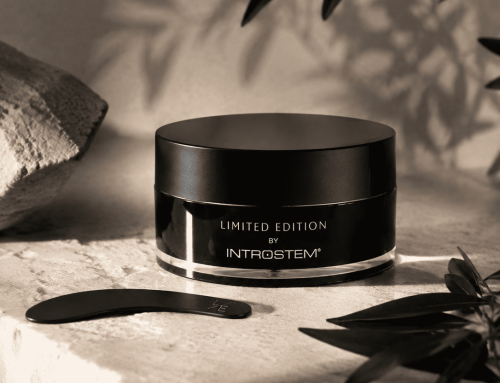
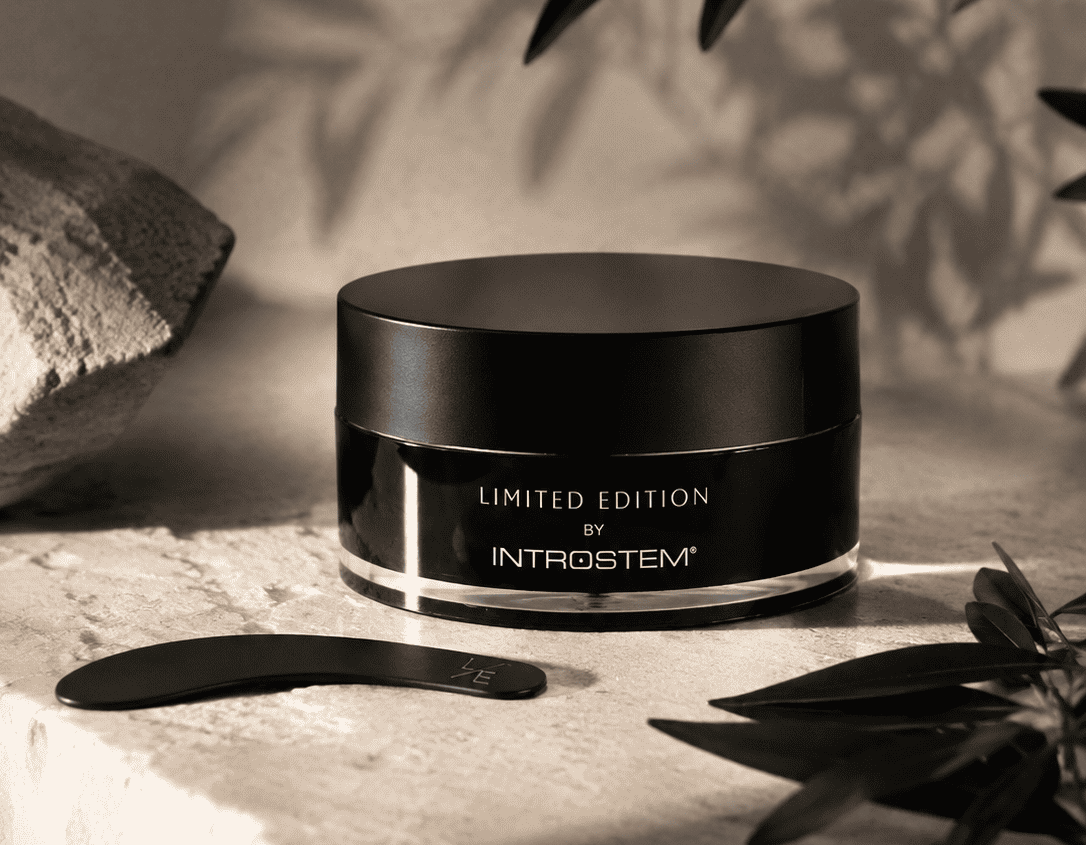
The night before a flight, skip the actives — retinol, strong acids, anything exfoliating — and lean into pure hydration and lipid-replenishing ingredients instead. This is a great excuse to reach for a rich, occlusive night cream built for real barrier support rather than your lightest lotion. It’s the same logic behind giving your skin a richer product during a cold, dry stretch of winter: when the environment is working against you, your skincare needs to work harder to compensate.
Your In-Flight Skincare Carry-On, Simplified
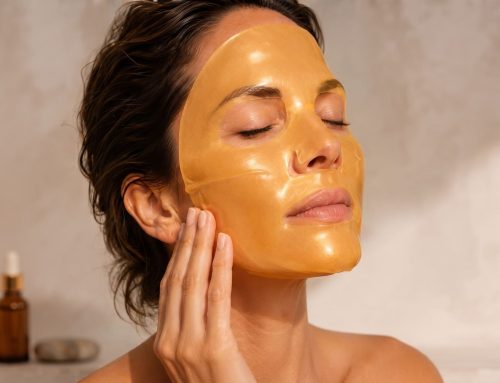
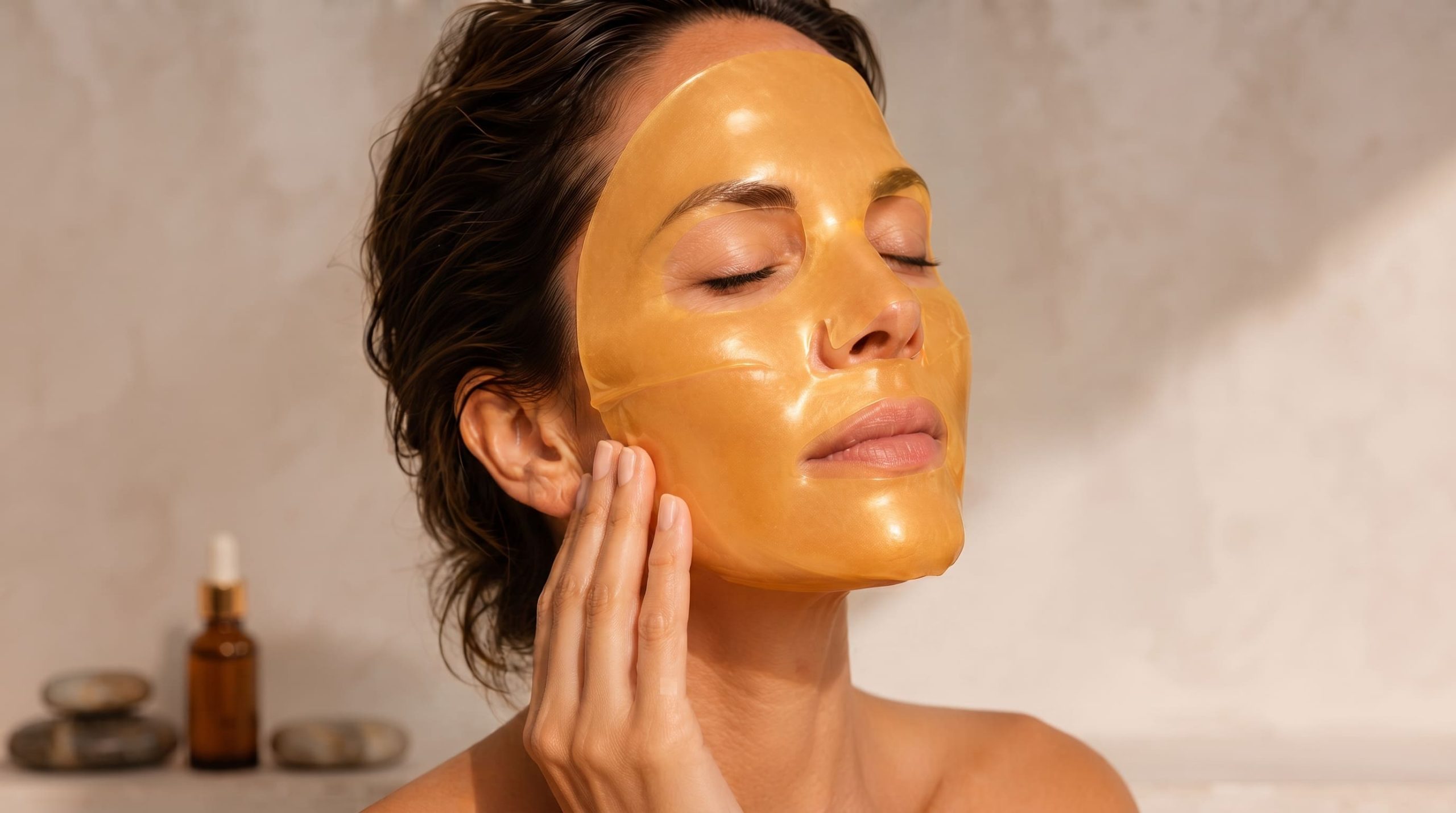
You don’t need nine products in your bag — you need the right three or four. Think mist, moisturizer, lip balm, and maybe a hydrating mask for longer flights. Sheet masks are TSA-friendly, mess-free, and a great excuse to ignore the person reclining into your lap.
A cult-favorite hydrating masque applied an hour or two before landing can make a noticeable difference in how “assembled” your skin looks by the time you’re at baggage claim — the kind of quick reset that turns a spa-day-in-a-jar into airport-lounge realism. Reapply your moisturizer every couple of hours, and resist the urge to touch your face constantly; cabin surfaces are not your skin barrier’s friend.
The Post-Landing Reset
This is where the damage either gets fixed or gets worse, depending on what you do next. Resist jumping straight back into your full active-ingredient routine the moment you land — your barrier needs a beat to recalibrate.
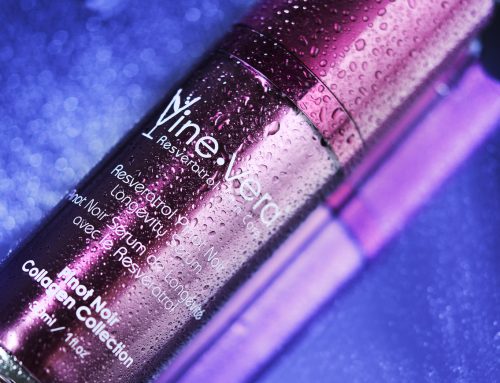
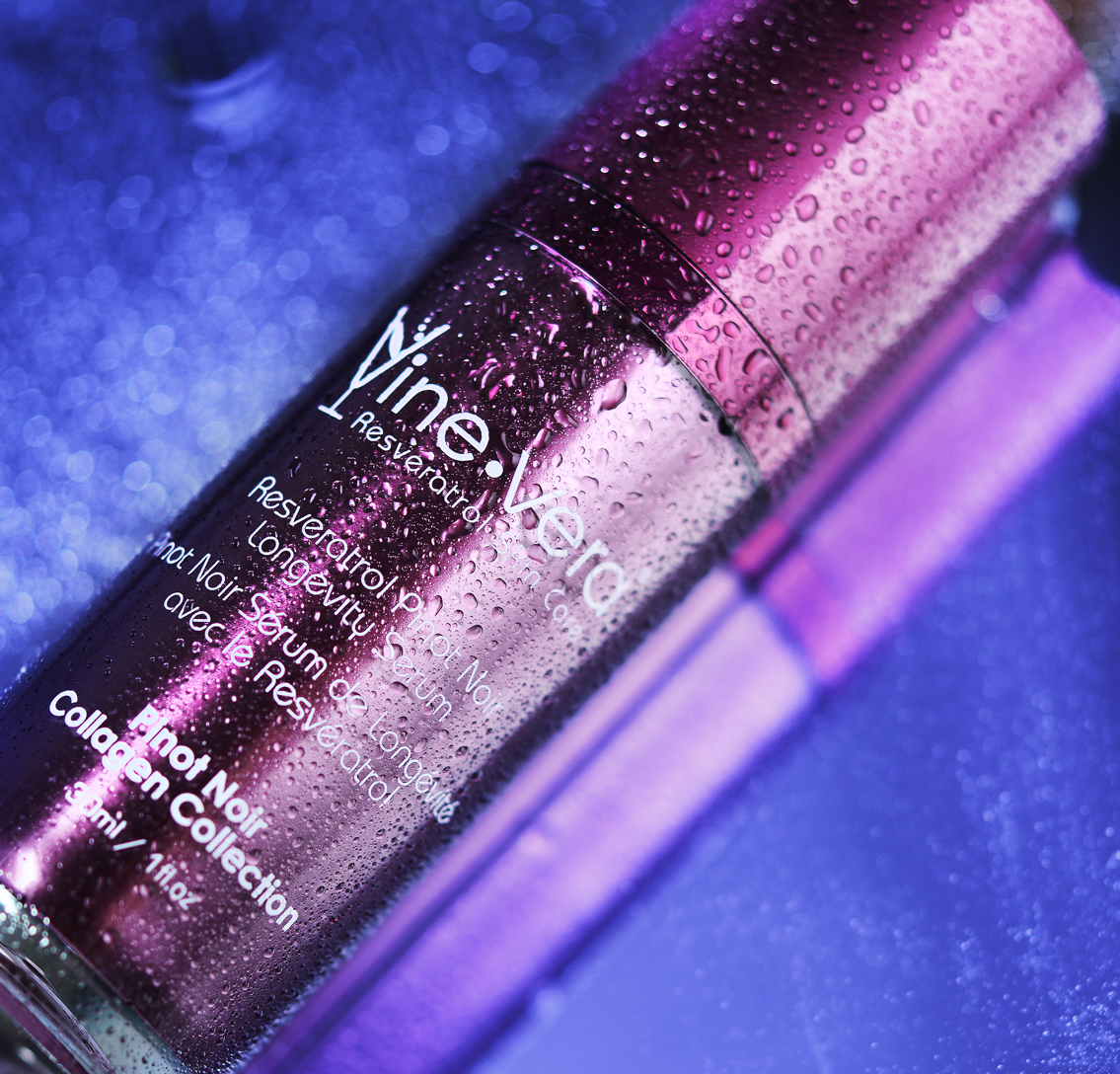
Instead, focus on rehydrating from the inside and outside simultaneously. Drink actual water, not just the promise of it, and treat your face to the kind of deeply moisturizing, cold-weather-grade routine you’d reach for in the dead of winter for a day or two — your barrier just went through its own miniature winter at 35,000 feet. A resveratrol-powered antioxidant serum can help your complexion bounce back with a bit more glow instead of just sitting there looking tired. Think of it as damage control with better lighting.
Don’t Forget What’s Above Your Face
Your scalp is skin too, and it goes through the exact same dry-cabin stress your face does — it just doesn’t get invited to the skincare conversation nearly as often. If you’ve noticed extra flakiness, itchiness, or a scalp that feels “tight” after a flight, that’s the same dry-air stress showing up somewhere you weren’t expecting it. Borrowing a page from the scalp-as-skin approach that’s been trending lately — a little pre-flight scalp oil or a gentle post-flight product — can go a long way toward keeping the whole picture, face and scalp, in balance.
Building a Routine That Travels As Well As You Do
The goal isn’t to overhaul your entire skincare cabinet every time you have a boarding pass. It’s to build a small, repeatable system: hydrate hard before you fly, protect and mist during, and reset gently after. Do this consistently and frequent flyer skin stops being your default travel souvenir.
If you’re someone who’s in the air more months than not, it’s worth treating your skincare routine the way you’d treat a loyalty program — consistent, a little strategic, and built for the long haul. Your barrier will rack up the benefits either way. Might as well make sure it’s getting rewarded for the miles, too.

Leave A Comment