
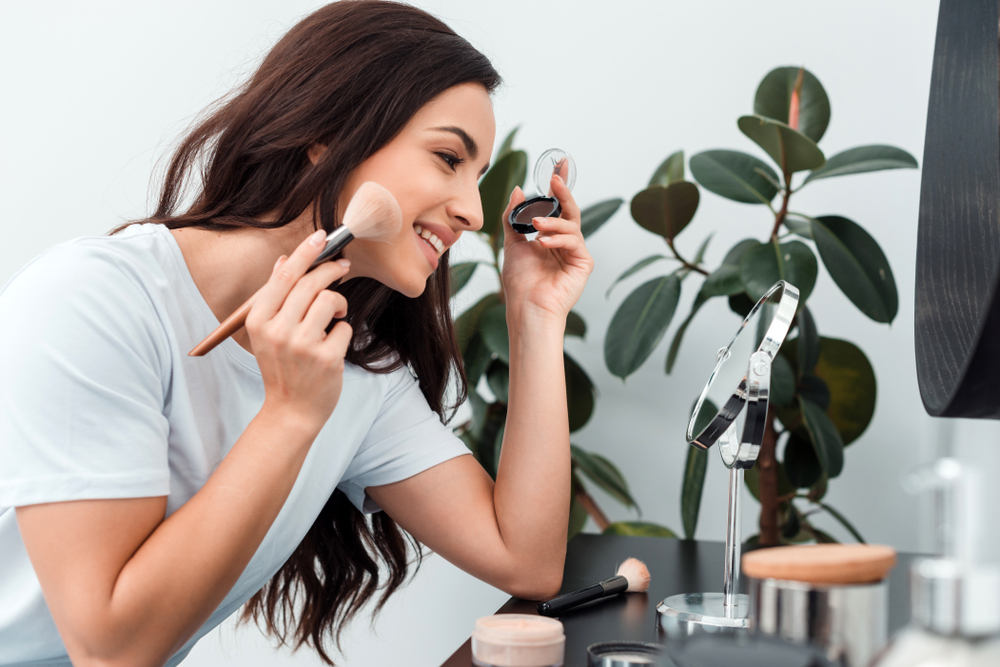
You did everything right. You woke up early, followed a tutorial, used what felt like a reasonable amount of concealer, and yet you still ended up with makeup looking patchy by the time you walked out the door. It’s the beauty equivalent of making a reservation, showing up on time, and still being seated next to the kitchen.
Patchy makeup is one of the most frustrating beauty problems out there, and it’s not always obvious what’s causing it. The good news? It’s almost never your fault — it’s a technique or prep issue, and those are very fixable. Let’s walk through the most common culprits.
1. Your Skin Prep is the Problem (Sorry)
Here’s an uncomfortable truth: patchy foundation usually starts long before you pick up a brush. Dry, flaky, or uneven skin texture is the number one reason makeup looks patchy — because no matter how good your foundation formula is, it’s going to cling to dry patches and slide off oily zones.
The fix starts with a solid skincare routine. Regular exfoliation (chemical or gentle physical) removes the dead skin cells that foundation loves to stick to in all the wrong ways. Follow that with a good moisturizer suited to your skin type, and let it fully absorb before you even think about primer. We’ve covered some excellent options across the skincare spectrum — the Avinichi Mulberry Collection is worth a look if dryness is your main nemesis.
2. You’re Skipping Primer (or Using the Wrong One)
Primer isn’t optional if you want a smooth base. Think of it as the adhesive layer between your skincare and your makeup — without it, you’re basically hoping your foundation finds something to hold onto. Spoiler: it won’t, and your makeup will end up looking patchy within hours.
That said, not all primers are created equal, and using the wrong one for your skin type can actually make things worse. If you have oily skin and reach for a dewy primer, you’re going to slide. If you have dry skin and grab something mattifying, you’re going to crack. Match your primer to your skin type, apply it in a thin, even layer, and wait a full minute before moving on to foundation.
3. Your Application Method Needs a Rethink
The way you apply foundation matters a lot. Using fingers is fine for sheering things out, but can drag and pill if you press too hard. A brush gives more coverage but can streak if the formula is thick. A damp beauty sponge (bouncing, not dragging) is often the most forgiving method for blending seamlessly — especially if patchy-looking makeup is a recurring issue for you.
Also: layering. If you’re applying a second coat of foundation before the first has set, you’re basically pushing the first layer around and creating those telltale uneven patches. Let each layer develop before building on top of it. Patience, while annoying, genuinely helps.
4. The Formula Doesn’t Match Your Skin Type
A full-coverage matte foundation on dry skin = a cracked, patchy disaster. A skin-tint or serum foundation on very oily skin = a greasy, faded mess by noon. The formula you choose needs to work with your skin’s natural behavior, not against it.
If your skin leans dry, look for hydrating, luminous, or satin-finish formulas. If you’re oily, a long-wear or oil-control formula will help things stay put. Combination skin? You may need to spot-treat — a mattifying formula in the T-zone, something more moisturizing on the cheeks. It sounds fussy because it is, but it works. This is also why makeup-skincare hybrids have gotten so popular — they’re designed to play nicely with your skin rather than sit on top of it.
5. You’re Not Blending Your Concealer Properly
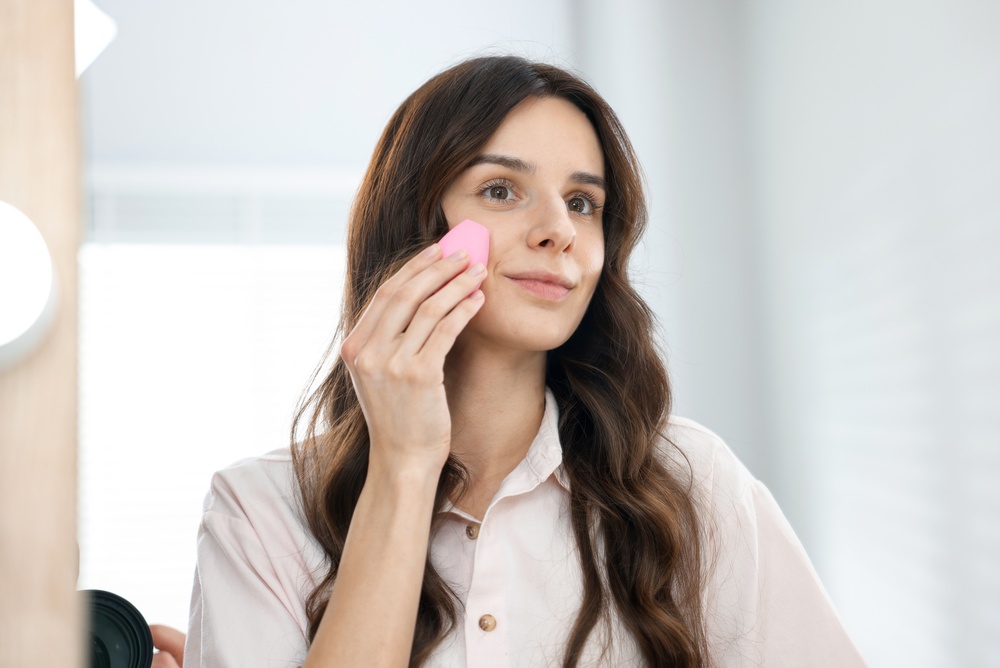
Concealer is often the sneakiest cause of makeup looking patchy — specifically in the under-eye area, where the skin is thinner and more prone to creasing. Applying too much, not blending the edges, or setting it with too much powder can all lead to that cakey, uneven finish that no one is going for.
The trick is to use less than you think you need, blend outward from the center, and set lightly with a finely-milled powder using a tapping (not sweeping) motion. If you want more guidance on building a complete look without these pitfalls, our Makeup Mastery guide covers the fundamentals from a pro perspective — it’s worth a read if you feel like you’re constantly reinventing the wheel.
6. Setting (or Not Setting) the Wrong Way
Even perfect application can fall apart at the setting stage. Using too much powder dries out and emphasizes any texture, giving you patchy-looking makeup even when the base went on smoothly. Using too little means your foundation migrates, separates, and settles into fine lines.
The key is targeted setting: powder where you need it (typically T-zone, under eyes, around the nose), and a setting spray everywhere else. A light mist with a good setting spray can actually meld all your layers together and give you that seamless, second-skin finish — rather than the “layer cake left out overnight” situation.
7. It’s Your Tools (Not Just Your Technique)
Dirty brushes and sponges are a silent but serious offender. Old product buildup on your tools creates uneven application, breaks down fresh product, and can change the texture of your finish significantly.
If your brushes are stiff, coated in old foundation, or smell like something you’d rather not identify — that’s your culprit. Clean your tools weekly (at minimum) and replace sponges regularly.
The Bottom Line
Makeup looking patchy is fixable, but it usually requires troubleshooting from the ground up: skincare, primer, formula, application, and setting. It’s a system, not a single step. Once you identify where your routine is breaking down, everything else tends to fall into place surprisingly fast.
If the no-makeup makeup look is more your style while you sort this out, we’ve got a great breakdown of how to master the natural makeup trend — because sometimes the best base is one that looks like you’re barely wearing any. Counterintuitive, maybe, but it works.
The biggest mistake people make is blaming their products when the real answer is usually prep and technique. Fix those, and even a drugstore foundation can look like it cost three times as much.







Leave A Comment